Background
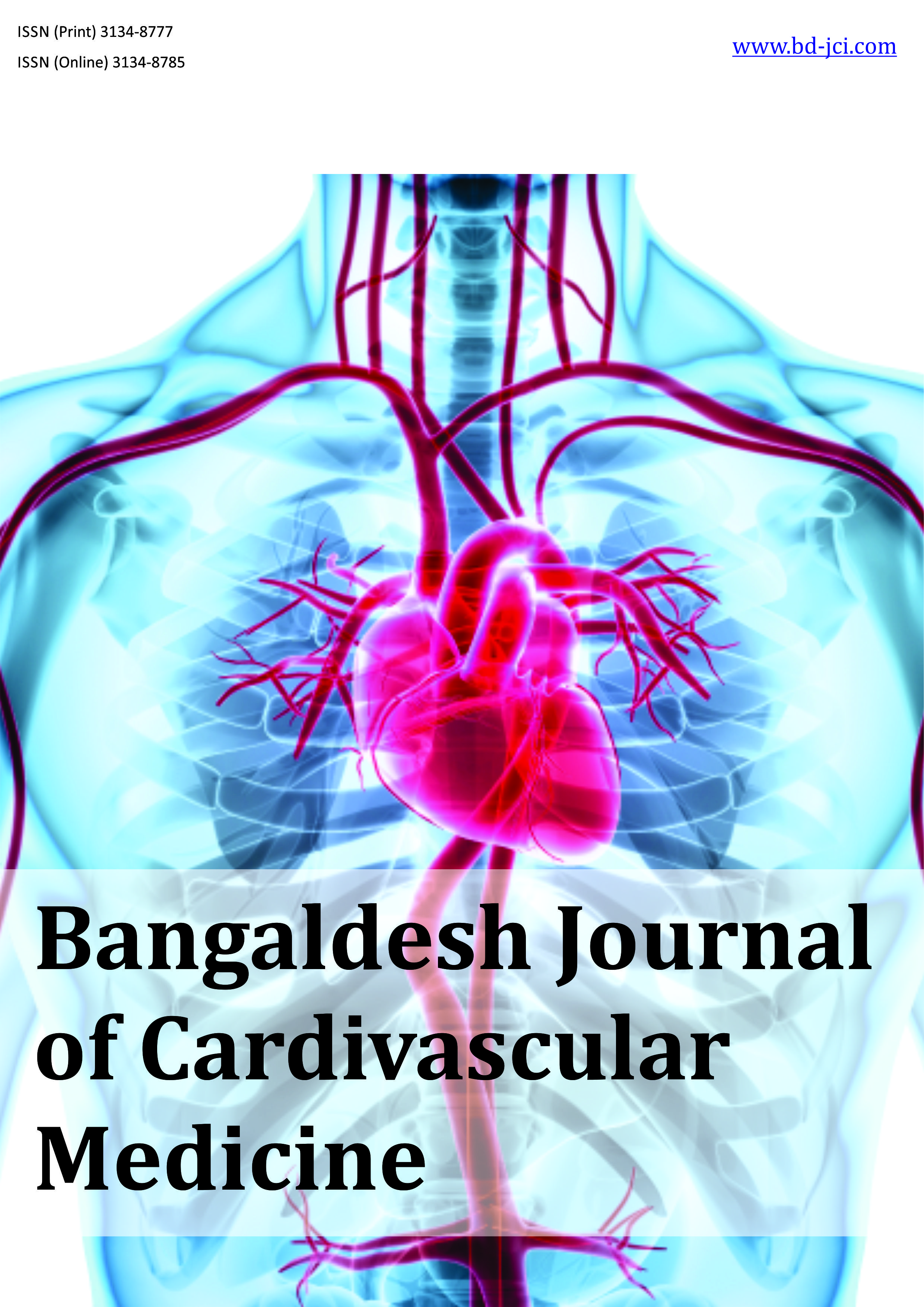
Cardiovascular imaging plays a central role in diagnosis, risk stratification, procedural planning, and treatment monitoring. With increasing imaging volume and complexity, machine learning has emerged as a powerful tool for automated image interpretation, disease detection, workflow optimization, and predictive analytics.
Methods
This narrative review summarizes current and emerging applications of machine learning in echocardiography, cardiac computed tomography, cardiac magnetic resonance imaging, nuclear cardiology, coronary angiography, and multimodal cardiovascular imaging.
Results
Machine learning improves image segmentation, chamber quantification, plaque characterization, myocardial function assessment, perfusion analysis, and prediction of adverse cardiovascular outcomes. Deep learning models show strong performance in automated detection of cardiomyopathy, coronary artery disease, valvular disease, arrhythmia-related structural changes, and heart failure phenotypes.
Conclusion
Machine learning has the potential to transform cardiovascular imaging by improving diagnostic accuracy, reducing reporting burden, and enabling personalized cardiovascular care. However, challenges remain regarding data quality, model generalizability, bias, explainability, regulatory approval, and clinical integration.
 Creative Commons License
 Download PDF
 Download XML











 +447480266638
 +447480266638
 support@bd-jci.com
 This work is licensed under a Creative Commons Attribution-NonCommercial-NoDerivatives (CC BY-NC-ND) license. Open Access Publication.