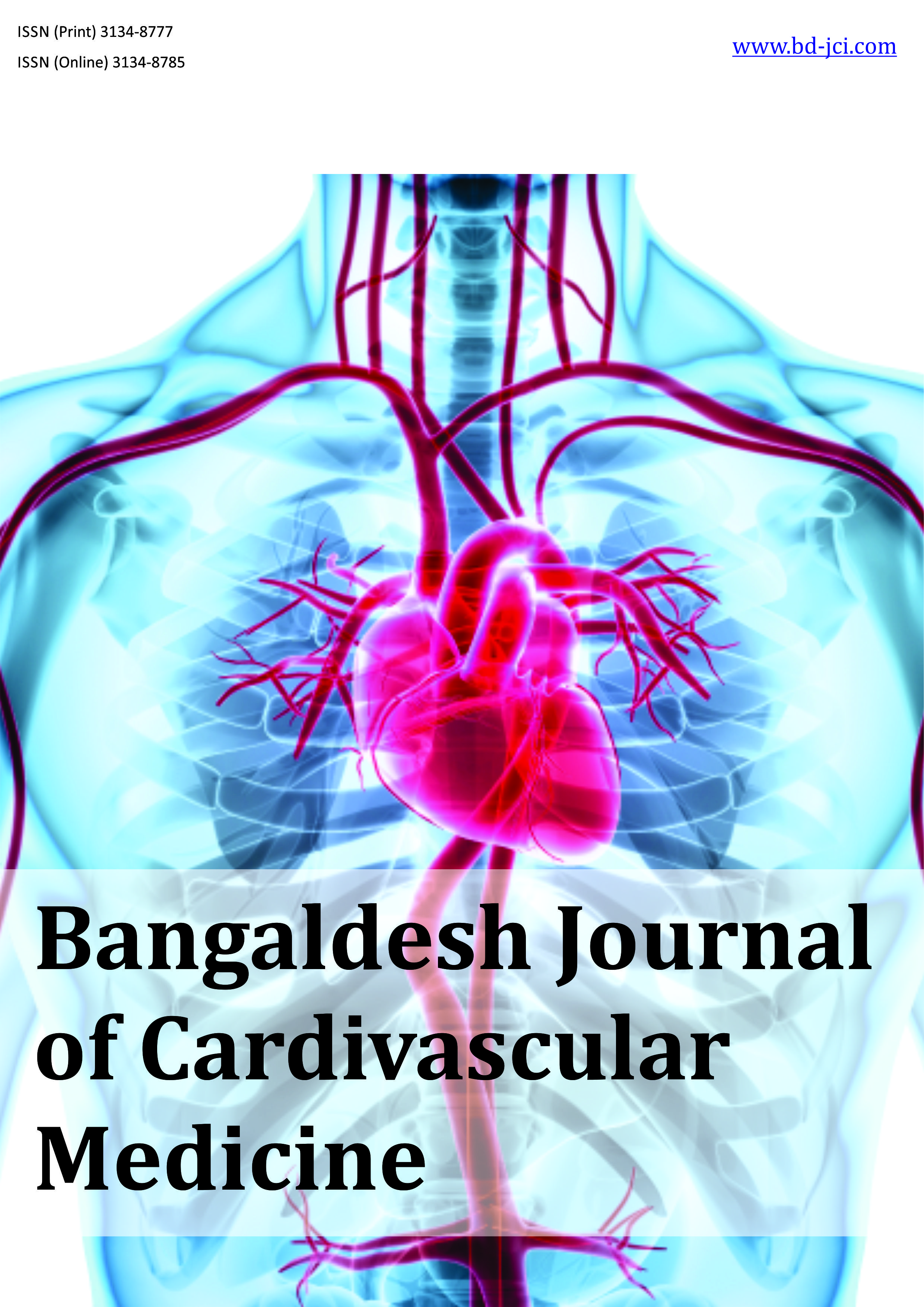
Background: Structural heart disease (SHD) interventions have undergone remarkable evolution over the last two decades. The success of transcatheter procedures increasingly depends on advanced multimodality imaging, which facilitates accurate diagnosis, procedural planning, device guidance, and post-procedural assessment. Imaging-guided structural heart procedures have significantly improved procedural precision, safety, and clinical outcomes. Objective: This review evaluates the role of contemporary imaging modalities in structural heart interventions, highlighting their applications in transcatheter valve therapies, septal defect closures, left atrial appendage occlusion, and emerging structural interventions. Methods: A comprehensive review of contemporary literature, clinical trials, consensus documents, and guideline recommendations was performed focusing on imaging-guided structural heart interventions. Results: Echocardiography, computed tomography (CT), cardiac magnetic resonance imaging (CMR), fluoroscopy, and fusion imaging have become integral components of structural heart programs. Advanced imaging improves procedural success rates, minimizes complications, and enhances long-term outcomes. Emerging technologies including artificial intelligence (AI), three-dimensional (3D) imaging, and mixed-reality visualization are further transforming structural interventions. Conclusion: Multimodality imaging has become indispensable in structural heart interventions. Future developments integrating AI, fusion imaging, and real-time 3D navigation are expected to further improve procedural precision and patient outcomes.
 Creative Commons License
 Download PDF
 Download XML











 +447480266638
 +447480266638
 support@bd-jci.com
 This work is licensed under a Creative Commons Attribution-NonCommercial-NoDerivatives (CC BY-NC-ND) license. Open Access Publication.